What happened?
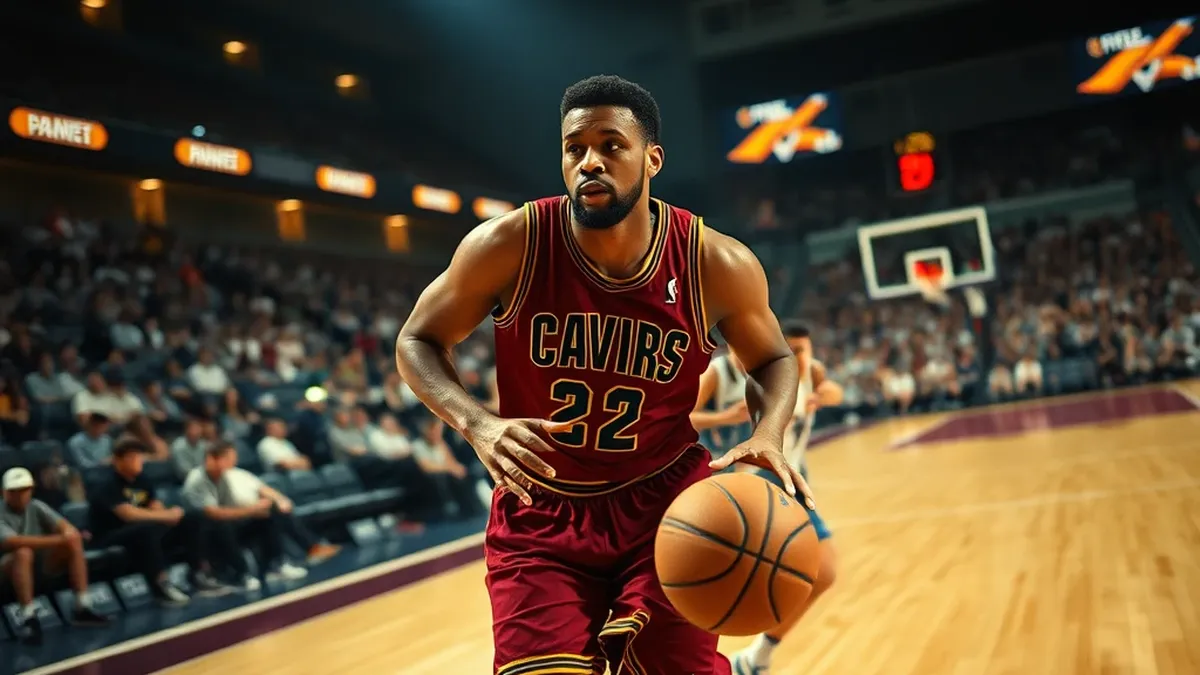
Cleveland Cavaliers front office orchestrated a salary-dump deal last week, trading guard Dennis Schroder and cash to the Charlotte Hornets in exchange for Tre Mann. The move puts the Cavaliers $44 million below the NBA's second apron and $32 million below the first apron, creating significant cap flexibility. This transaction follows the team's failed pursuit of LeBron James and gives the franchise financial room to pursue other targets this offseason.
Why it matters for Cleveland Cavaliers
The Dennis Schroder trade represents more than just a roster reshuffle; it is a strategic financial maneuver. By moving Schroder's contract, Cleveland creates the necessary cap space to pursue additional talent. The $44 million in apron savings provides the front office with the resources needed to make a significant impact in the upcoming season, potentially reshaping the team's championship aspirations.
What comes next for Cleveland Cavaliers
With the cap space now available, all eyes turn to what the Cavaliers will do next. The front office, led by key decision-makers, is reportedly exploring additional moves to bolster the roster. The team's ability to operate below the apron limits gives them flexibility to sign free agents or execute sign-and-trade scenarios that were previously out of reach.
Can Cleveland Cavaliers make a bigger move this season
The financial flexibility gained from the Schroder deal positions Cleveland as a potential player in the free agency market. The organization must now decide how to best utilize this cap space to improve the roster. Whether the Cavaliers target a star player or seek to add depth, the foundation has been set for a potentially transformative offseason.