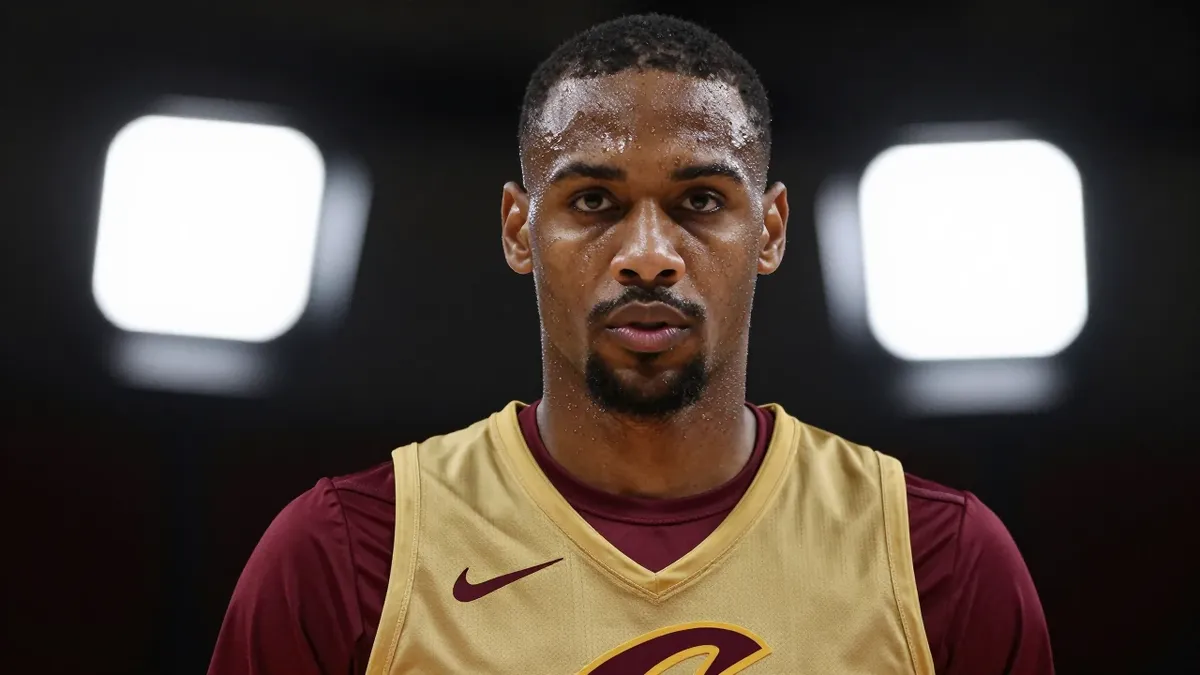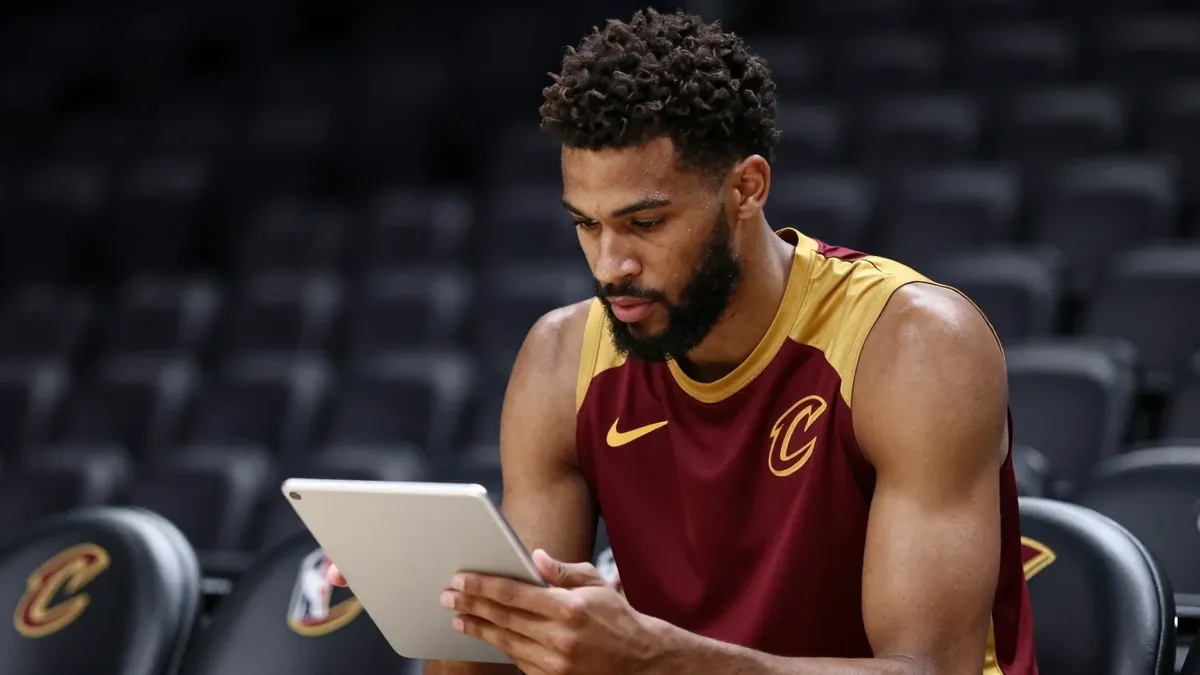
The Cleveland Cavaliers' financial commitments are under the microscope as they look ahead to the 2026-27 NBA season. General Manager Koby Altman has built a roster with a unique payroll structure, featuring five players earning at least $20 million and seven on minimum salaries. This analysis ranks every standard contract on the Cavs' books, evaluating current value and future risk.
Which Cavaliers contracts offer the best value?
Jarrett Allen tops the list with a deal that offers great value. The 27-year-old center has three years and $90.7 million remaining. He averaged 15.4 points and 8.5 rebounds on 64% shooting last season. After February 1, those numbers jumped to 19.7 points and 10.0 rebounds on 71% shooting. His strong 2026 playoff run, including two dominant Game 7 performances, silenced critics who labeled him soft. Allen's contract is considered market value, comparable to deals for Jaden McDaniels and Walker Kessler.
Jaylon Tyson's rookie contract is a major asset. The 23-year-old forward has two years and $9.3 million left. He made a sophomore jump, averaging 13.2 points and 5.1 rebounds while shooting 45% from three-point range. His role fluctuated due to team injuries and the James Harden trade, but a full offseason with Harden should provide more consistency. Tyson's versatility on offense makes his contract a steal.
Sam Merrill's three-year, $29.5 million deal also provides excellent value. The 30-year-old sharpshooter had his best season, scoring 12.8 points per game and hitting 42% of his threes. He refined his perimeter shooting and became a more reliable defender and pick-and-roll threat. Finding a player with his skills for under $10 million per year is a significant win for the front office.
What are the risky deals on the Cavaliers' books?
While the analysis states Cleveland has no outright bad contracts, several carry inherent risk due to their size or player trajectory. The team's commitment to paying five players over $20 million annually limits financial flexibility. This structure means the margin for error on player development and health is slim. You can review the full financial commitments on our roster page.
Balancing those high salaries with seven minimum contracts creates a top-heavy roster. This approach relies heavily on star performance and cost-controlled contributions from young players. If a player on a major deal underperforms or gets injured, it becomes very difficult to improve the team.
How does this payroll impact the team's future?
The Cavaliers' contract strategy is a clear bet on their current core. They are banking on internal growth from players like Tyson and sustained elite production from Jarrett Allen. The team's ability to add talent will primarily come through the draft and finding undervalued free agents, as major cap space is not available.
This financial picture sets a clear mandate for the coming seasons. The core group must deliver results to justify its cost. The front office, led by Koby Altman, will need to be creative in filling out the rotation. Their success in identifying value, as they did with Merrill, will be vital. Fans can track the team's progress and upcoming challenges on our schedule page.
The Cavaliers have placed their chips on the table. They believe their mix of established stars and affordable role players can compete in the Eastern Conference. The 2026-27 season will be a major test of that belief and the true value of every contract on the books.