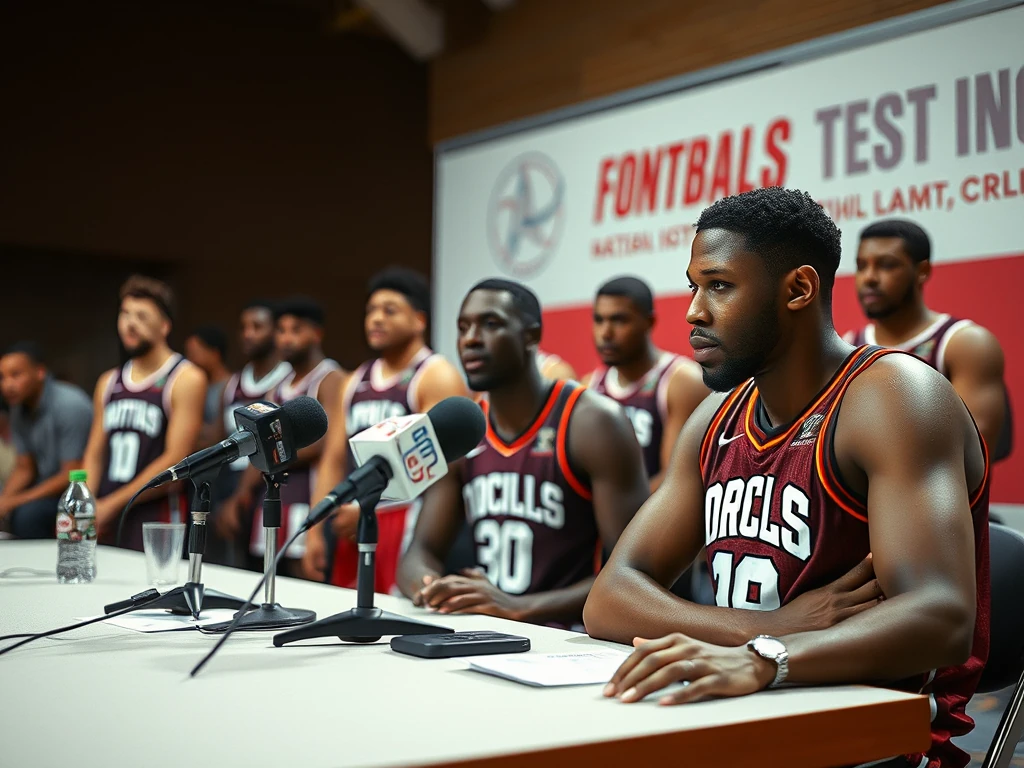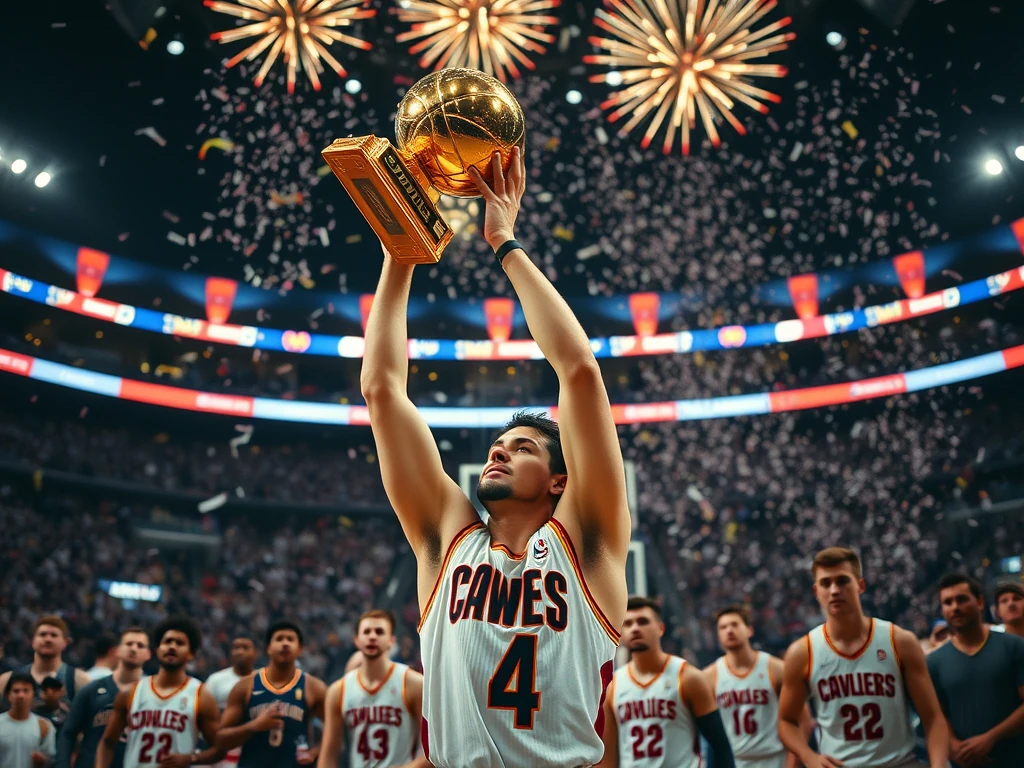
The Cleveland Cavaliers have decided to retain J.B. Bickerstaff as their head coach for the upcoming NBA season, a move that has sparked a wide array of reactions among fans and analysts alike. After a promising run to the Eastern Conference Finals this past season, the decision reflects the franchise's commitment to continuity as they aim to establish themselves as a formidable contender in the league. However, this announcement comes with its share of controversy, raising questions about the direction of the team and Bickerstaff’s coaching strategies.
A Season of Promise and Expectations
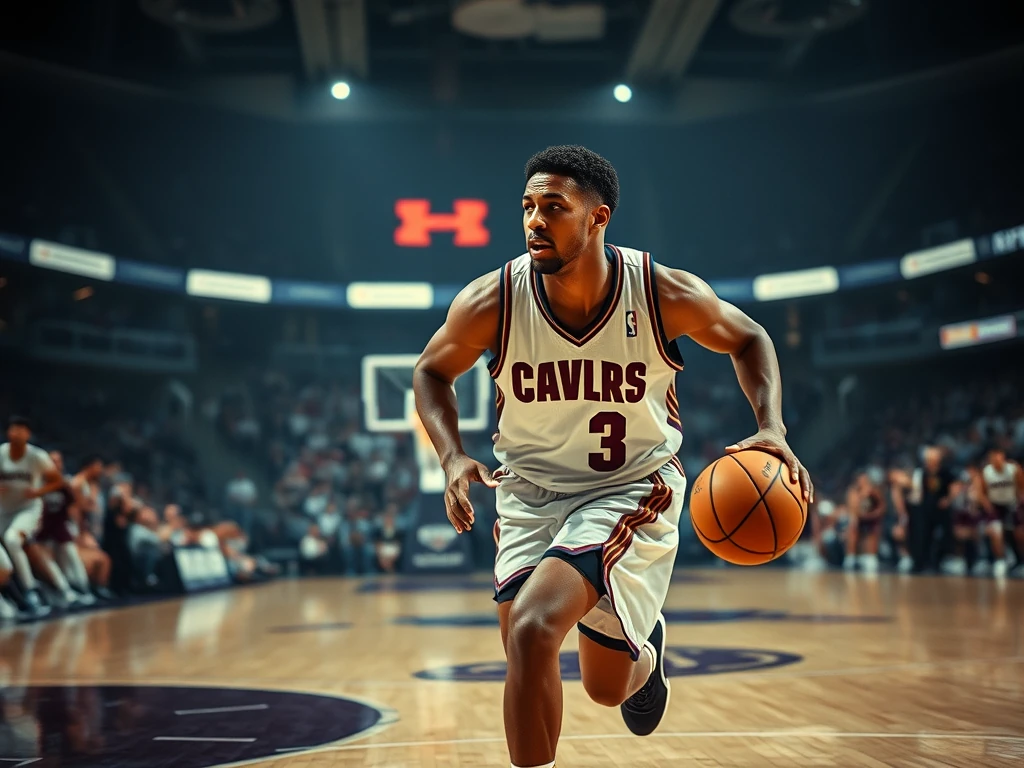
The 2022-2023 season was a remarkable journey for the Cavaliers, culminating in their first trip to the Eastern Conference Finals since 2018. Led by star players like Darius Garland, Donovan Mitchell, and Evan Mobley, the team showcased a blend of youth and experience that captivated fans and analysts throughout the league. With a strong regular-season finish, including a 51-31 record, the Cavs appeared ready to make a deep playoff run.
As they advanced through the playoffs, the team displayed resilience and tactical prowess, particularly in their series against the New York Knicks and the Miami Heat. However, they ultimately fell to the Boston Celtics in the conference finals, leaving fans to ponder what could have been. Retaining Bickerstaff signals an intention to build upon last season’s momentum, but it also invites scrutiny regarding his game management and in-game adjustments.
Tactical Breakdown of Bickerstaff’s Coaching Style
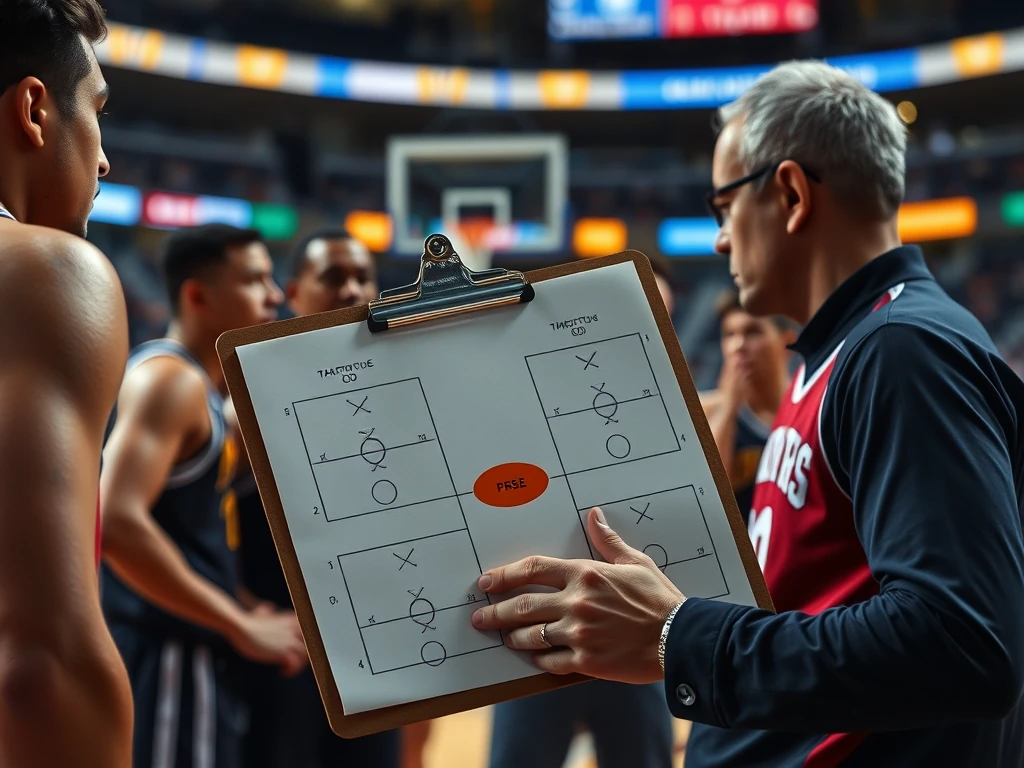
J.B. Bickerstaff has been praised for fostering a defensive-minded culture within the Cavaliers, a critical factor in their success last season. The Cavs ranked among the top teams in defensive efficiency, showcasing their ability to stifle opponents with a combination of aggressive perimeter defense and strong rim protection from Jarrett Allen and Evan Mobley.
However, Bickerstaff’s offensive strategies have drawn mixed reviews. While the team benefitted from a balanced attack, critics point out that his reliance on isolation plays, particularly in crucial moments, may have hindered their ability to capitalize on fast breaks and ball movement. The Cavs averaged 112.3 points per game, which, while respectable, wasn’t enough to consistently outpace high-scoring teams like the Celtics.
- Key Tactical Points: - Defensive Efficiency: Top-ranked in the league, providing a sturdy backbone. - Isolation Offense: Over-reliance on star players, limiting ball movement. - Player Development: Significant growth from young stars like Mobley and Garland.
Fans will be looking for Bickerstaff to evolve his offensive game plan, especially as the Cavaliers seek to improve their scoring output against elite competition.
What This Means for Cleveland Cavaliers
For the fans, Bickerstaff's return is a double-edged sword. On one hand, many appreciate the stability he brings to the organization and the potential for growth following a successful season. The Cavs have a solid core that can further develop under his guidance, and there's a sense of optimism about the team’s future. However, there are also concerns about whether Bickerstaff is the right coach to take this roster to the next level.
Fans who witnessed the playoff series against the Celtics likely recall moments of frustration, particularly during pivotal games where adjustments were slow to come. The question now is whether Bickerstaff can learn from those experiences and adapt his coaching style accordingly. If the team struggles early next season, calls for change could grow louder.
The Wider Championship Picture
As the new season approaches, the Cavaliers find themselves in a highly competitive Eastern Conference. Teams like the Milwaukee Bucks, Celtics, and Philadelphia 76ers are all vying for supremacy, making the quest for an NBA Championship even more challenging. The return of Bickerstaff is crucial as the Cavs seek to carve out their identity in a league filled with established powerhouses.
The championship picture is shifting, with rising contenders like the Atlanta Hawks and New York Knicks also looking to make their mark. The Cavs will need to navigate these waters carefully, ensuring they not only maintain their defensive strengths but also evolve offensively. The offseason will be pivotal in shaping their roster and strategy moving forward.
Fan Reaction and Outlook
The reaction from Cavs fans has been a mixture of hope and skepticism. Many are excited about the continuity and the chance for their young stars to further develop under Bickerstaff, but others are concerned about his tactical choices in high-pressure situations. Social media has been abuzz with debates, some expressing faith in the coach, while others are calling for fresh ideas and strategies to maximize the team’s potential.
If you’ve been following the Cavaliers closely, you’re likely weighing these perspectives as well. The fan base remains passionate and engaged, eager for the team to reclaim its former glory and make a deeper playoff push next season.